


How Residential Drainage Systems Work in Parker, TX

Proper yard and landscape drainage is one of the most important yet overlooked elements of maintaining a healthy property in Parker, TX. Whether you’re dealing with soggy grass, pooling water, or shifting soil around your foundation, understanding how drainage systems actually work helps homeowners choose the right solution. From yard drainage basics to engineered systems like French drains, catch basins, and surface drainage, every component plays a role in moving water safely away from your home.
Why Drainage Matters in Parker, TX
Parker’s soil composition, frequent rain, and large residential lots create conditions where moisture can easily accumulate. Without proper residential drainage, water infiltrates your foundation, kills landscaping, and increases mosquito activity. Effective drainage systems are designed to collect, redirect, and disperse excess water efficiently — protecting your home and improving outdoor usability.
How Yard Drainage Systems Function
A landscape drainage system works by using gravity, grading, and piping infrastructure to guide water from areas of accumulation to designated discharge points. Here’s how the core components operate:
1. Surface Water Collection
Water naturally flows downhill, so the first step is capturing runoff from roofs, patios, or low areas. This is accomplished with:
Catch basins
Channel drains
Downspout extensions
Grated trench drains
These systems prevent pooling and direct water into underground pipes.
2. Subsurface Water Management
If your yard struggles with saturated soil, a French drainage system becomes essential. It uses:
A perforated pipe
Gravel trench
A filter fabric
A sloped installation
This design collects water below the surface and transports it away from your yard. French drains are ideal for properties in Parker with clay soil that traps moisture.
3. Redirecting and Transporting Water
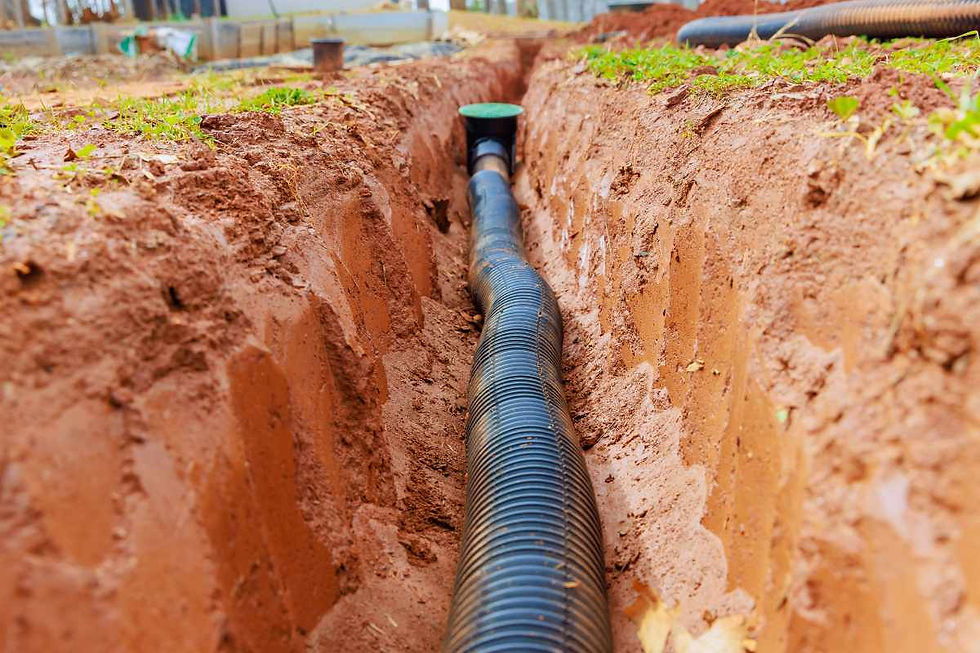
Once collected, water is guided through drainage pipes — often a mix of perforated and solid drain pipe — depending on whether the goal is to collect or simply transport water.
Solutions include:
Drainage pipe rerouting
Downspout drainage extensions
Stormwater drainage systems
The system must be designed with proper slope to keep water flowing without backflow or stagnation.
4. Final Discharge
Water must exit the system at a safe location such as:
A street curb
A drainage ditch
A dry well
A pop-up emitter
In Parker, TX, homeowners often use pop-up emitters because they efficiently release water without compromising the lawn’s appearance.
Common Drainage Problems This Prevents
A well-designed yard drainage system solves issues like:
Soggy lawns and mud patches
Foundation shifting
Landscape erosion
Mold and mildew near patios
Water intrusion into garages or crawl spaces
It also protects your investment in landscape design, patio construction, and hardscape installation.
Choosing the Right Drainage Solution
Different Parker, TX homes require different systems based on elevation, soil type, and property layout. Popular solutions include:
French drains for subsurface issues
Surface drainage for fast-moving water
Downspout drainage to manage roof runoff
Catch basin systems for low-lying areas
Drainage pipe rerouting for poorly sloped yards
Hiring a drainage expert ensures accurate grading and system design that aligns with your landscape.
Protecting Your Property with Proper Drainage
Drainage is not just about eliminating puddles — it’s about protecting the long-term integrity of your home and landscape. With Parker’s heavy rains and clay soil, installing the right yard drainage system is one of the best investments homeowners can make.
If your property needs professional evaluation or drainage installation, consult a local specialist who understands Parker’s soil and rainfall patterns.


Comments